


Our Shelter Community Blog
Get behind-the-scenes stories from our shelter tours, discover practical resources and expert advice for rescue professionals, and read inspiring updates from organizations working to save homeless dogs"
Never Miss A Post
Want to make sure you stay up to date with our blog? Sign up below and get new posts delivered directly to your inbox as soon as they go live!
Through our travels to shelters and rescues across the southern states, we've witnessed incredible innovation, heartbreaking challenges, and inspiring success stories. Our blog shares these real-world experiences alongside practical resources, grant opportunities, and insights that can help rescue organizations operate more effectively. Whether you're a shelter professional, volunteer, or advocate, you'll find stories and solutions that matter to the work of saving homeless dogs.
- Alabama
- Arkansas
- California
- Children's Education
- Community engagement
- Education
- Euthanizing For Space
- Featured
- Florida
- Foster program
- Georgia
- Grants
- Kentucky
- Managed Intake
- Mississippi
- Missouri
- Municipal shelter
- municipal shelter
- Municipal Shelter
- New York
- News
- No-kill
- nonprofit
- Nonprofit
- North Carolina
- Northern Shelters
- Ohio
- Open Intake
- Regional Shelter
- Shelter Tour
- Shelter tour
- Shelter Tours
- South Carolina
- spay neuter
- Tennessee
- Virginia
- West Virginia
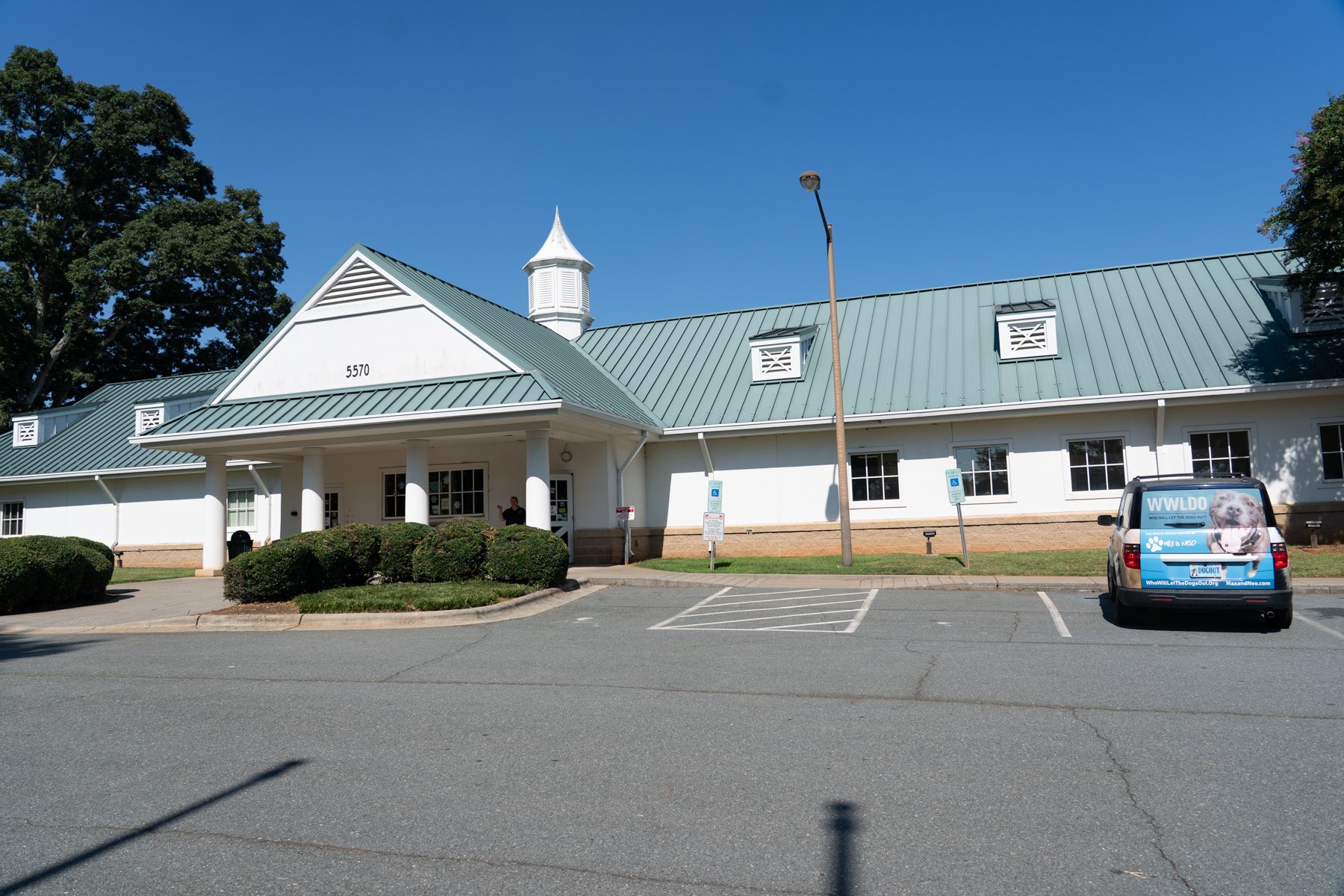
Compassion, Creativity, and Conscience at Forsyth County Animal Shelter
What does it truly mean to serve a community, its animals, and the staff who care for them? We visited the Forsyth County Animal Shelter in Winston-Salem, NC, to see how they are reimagining municipal sheltering. From creative community diversion programs to day-one animal enrichment, discover how this resilient team is tackling space constraints and compassion fatigue head-on—with deep empathy, creativity, and conscience.
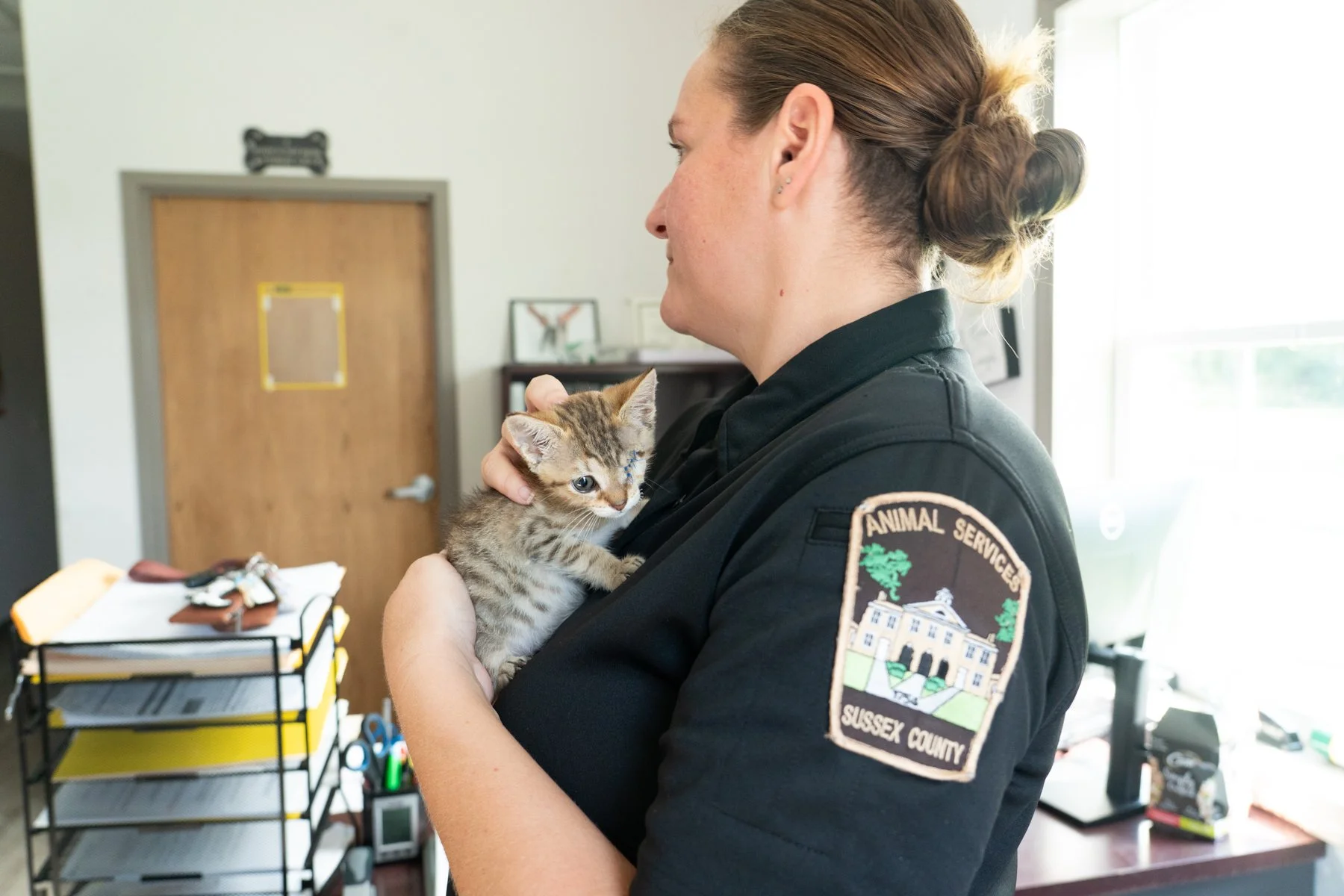
The Middle of Nowwhere, the Center of Care: Sussex County Animal Shelter
Operating with a critically small staff and an hour's drive from end to end, Sussex County Animal Services relies entirely on a dedicated network to stay afloat. See how a hardworking team manages 700 animals a year, and find out how you can help support their mission from near or far.
The Five Tenets of Responsible Sheltering
Why do we evaluate animal shelter success solely on whether they kill or don't kill animals? To truly tackle the animal crisis, we need a new paradigm. Explore the 5 Tenets of Responsible Sheltering and how we can build a truly humane community together.
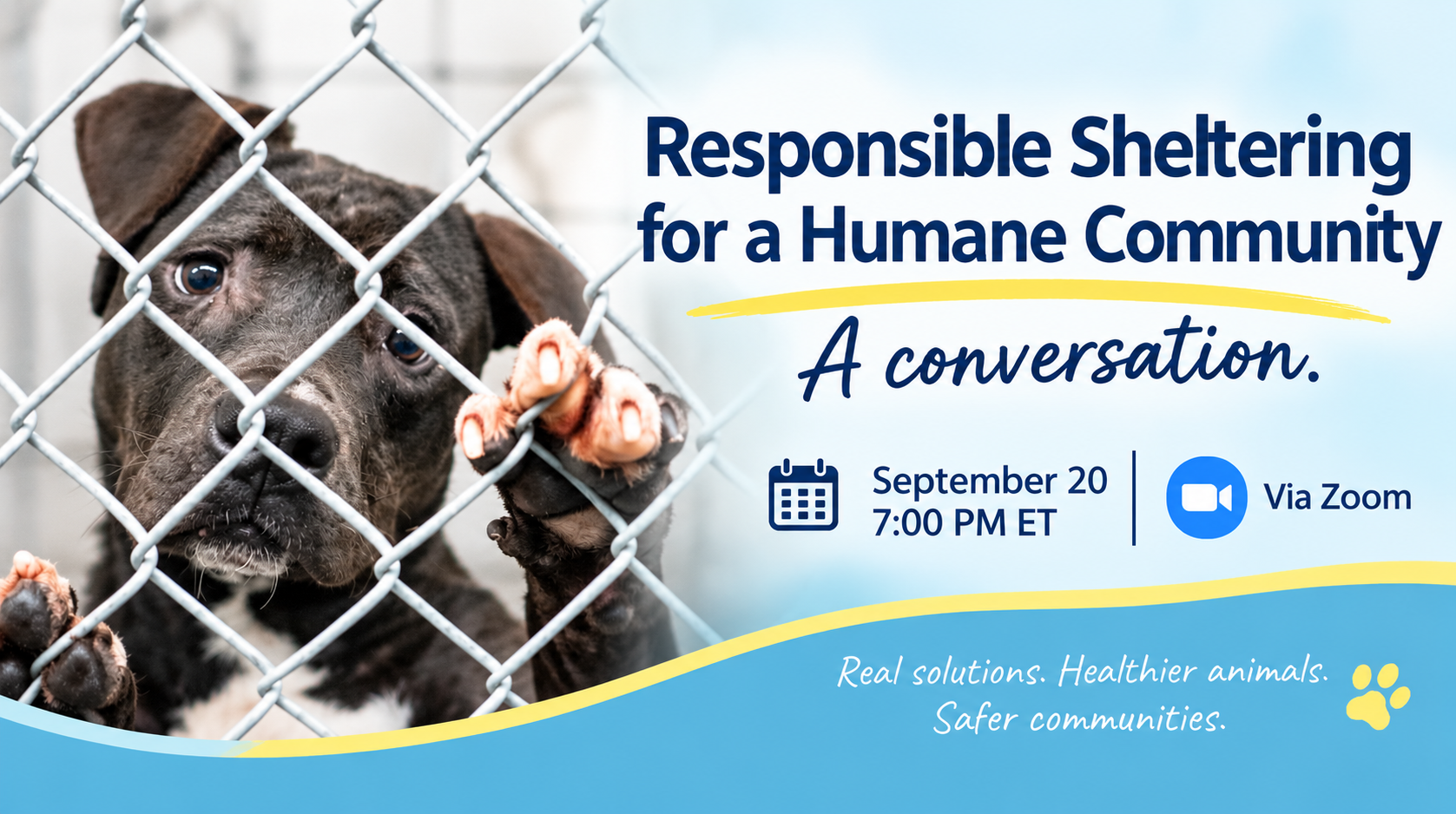
The Animal Shelter System Is Broken: It’s Time for a Real Conversation
The current animal shelter system is failing. With euthanasia rates rising, shelters at max capacity, and communities struggling to find help, it is time to build a more responsible, humane system. Join animal welfare experts Lisa Milot and Roxanne Hicks on Sunday, September 20 at 7 PM for a vital Zoom conversation on how we move forward. Register inside to secure your spot.
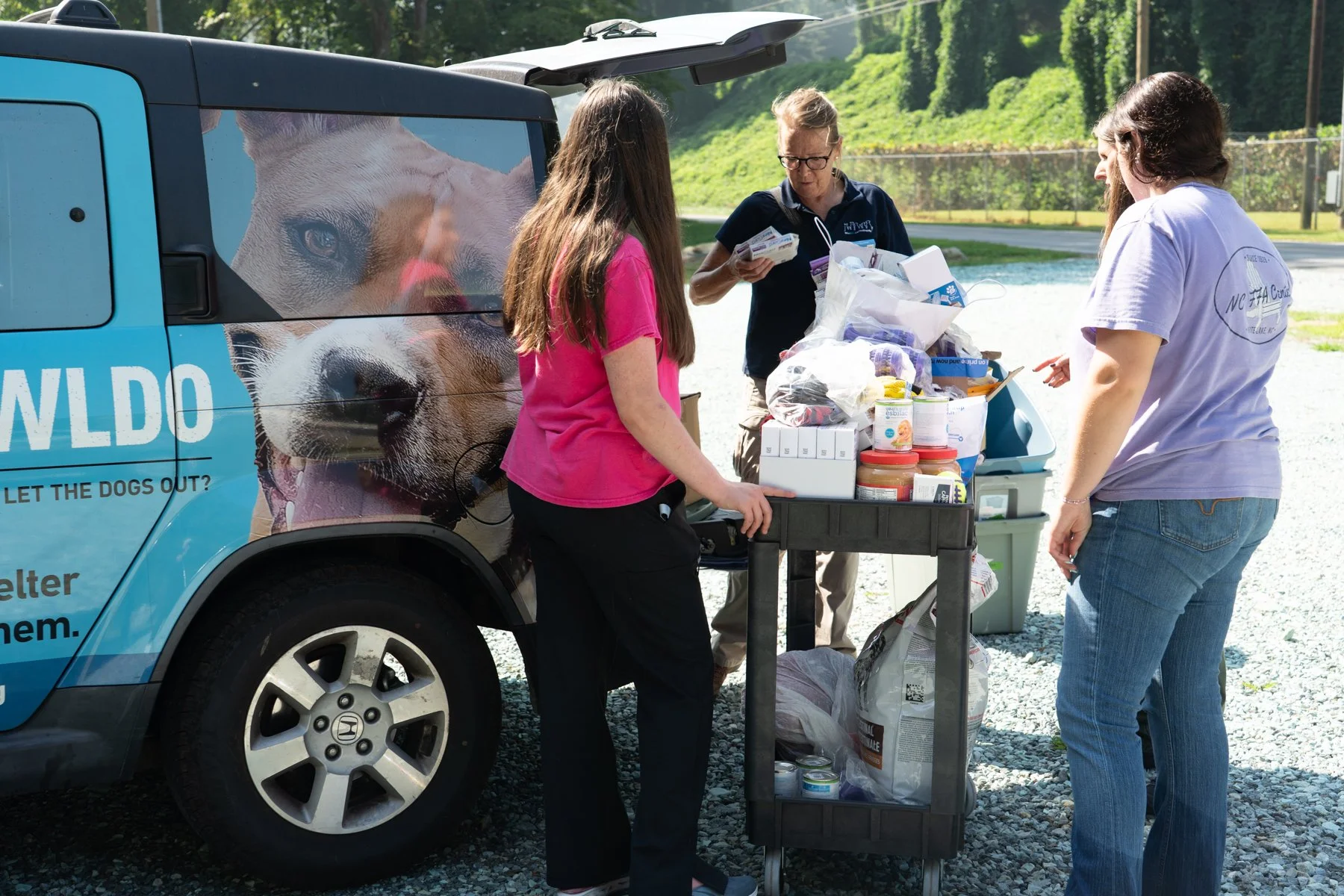
227 Shelter Visits Later: What We Get Wrong About 'No-Kill'
227 shelter visits later, we’ve learned that the popular "no-kill" narrative is creating a dangerous standard. Explore what truly responsible animal sheltering looks like—and why arbitrary numbers don't tell the whole story.
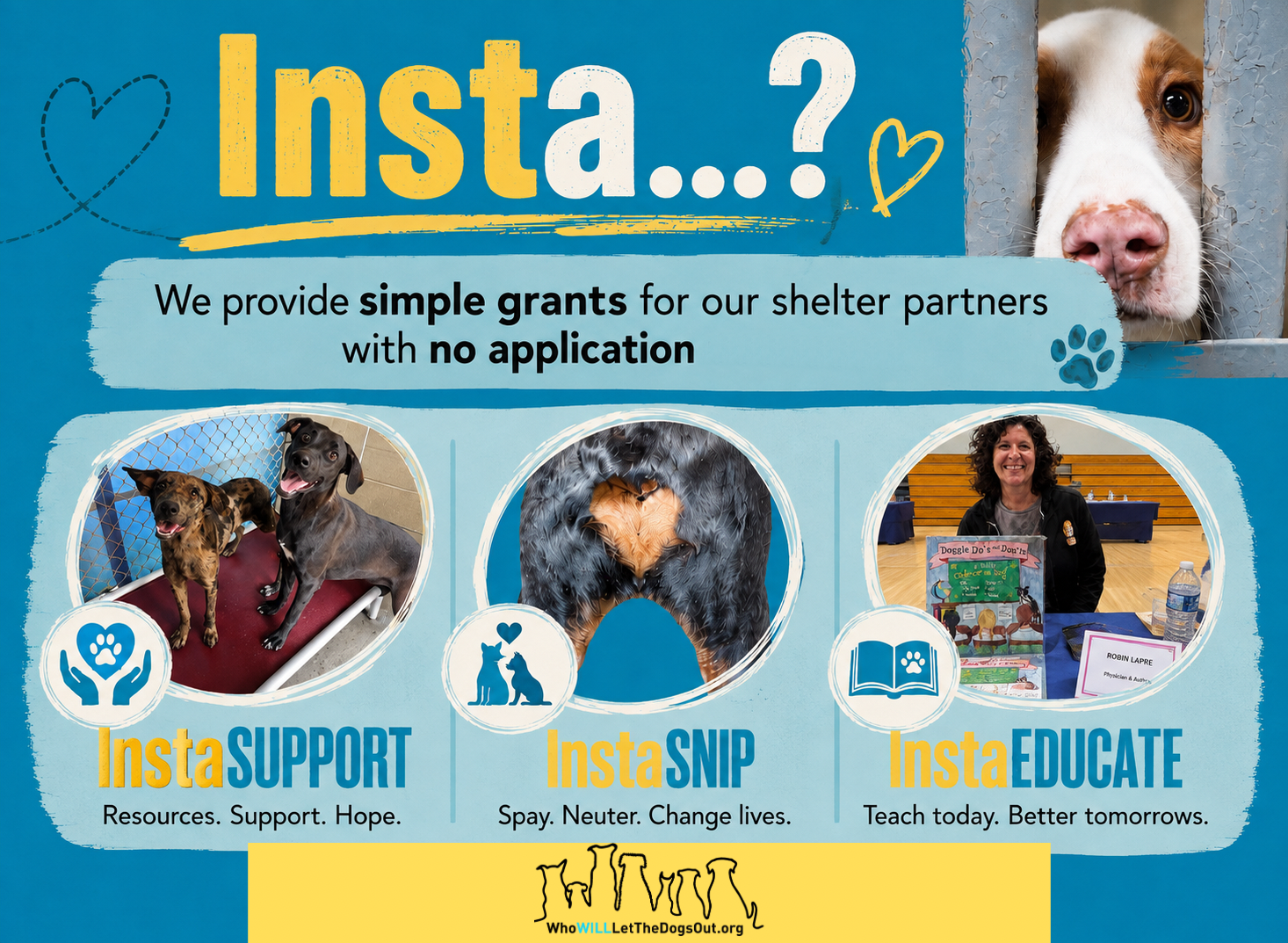
How and Why Our Shelter Grant Programs Work Differently
Traditional grant processes often favor organizations with the most time and resources, leaving high-need shelters behind. Learn how our Insta-programs eliminate lengthy applications to deliver immediate supplies, funding, and education directly to our partner shelters.
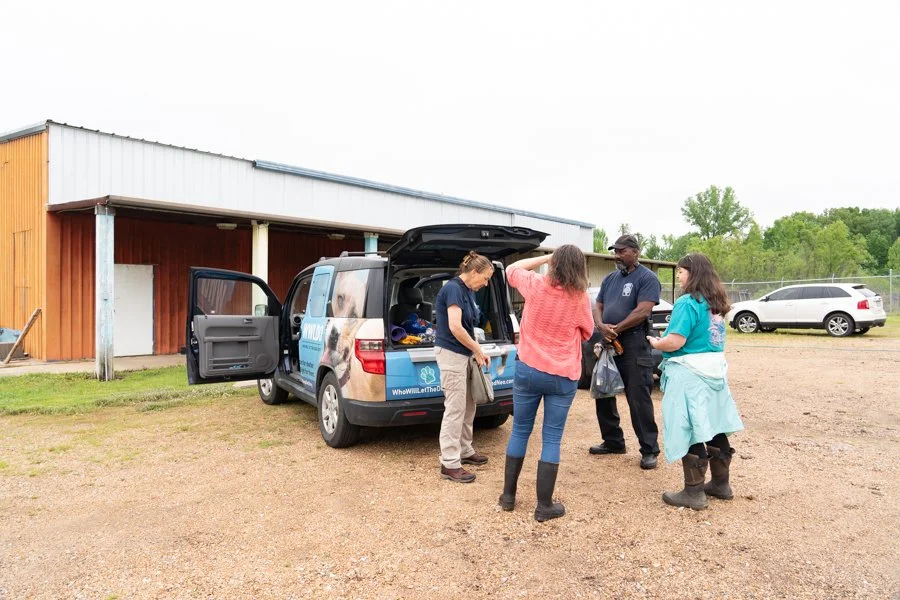
More Than a Mission Statement: How We Serve Shelters and Rescues
People ask all the time what Who Will Let the Dogs Out actually does beyond our mission statement. From shelter tours and grant programs to podcasts and resource guides, here is how we show up in person and online to support shelters, empower rescues, and tackle the animal crisis.
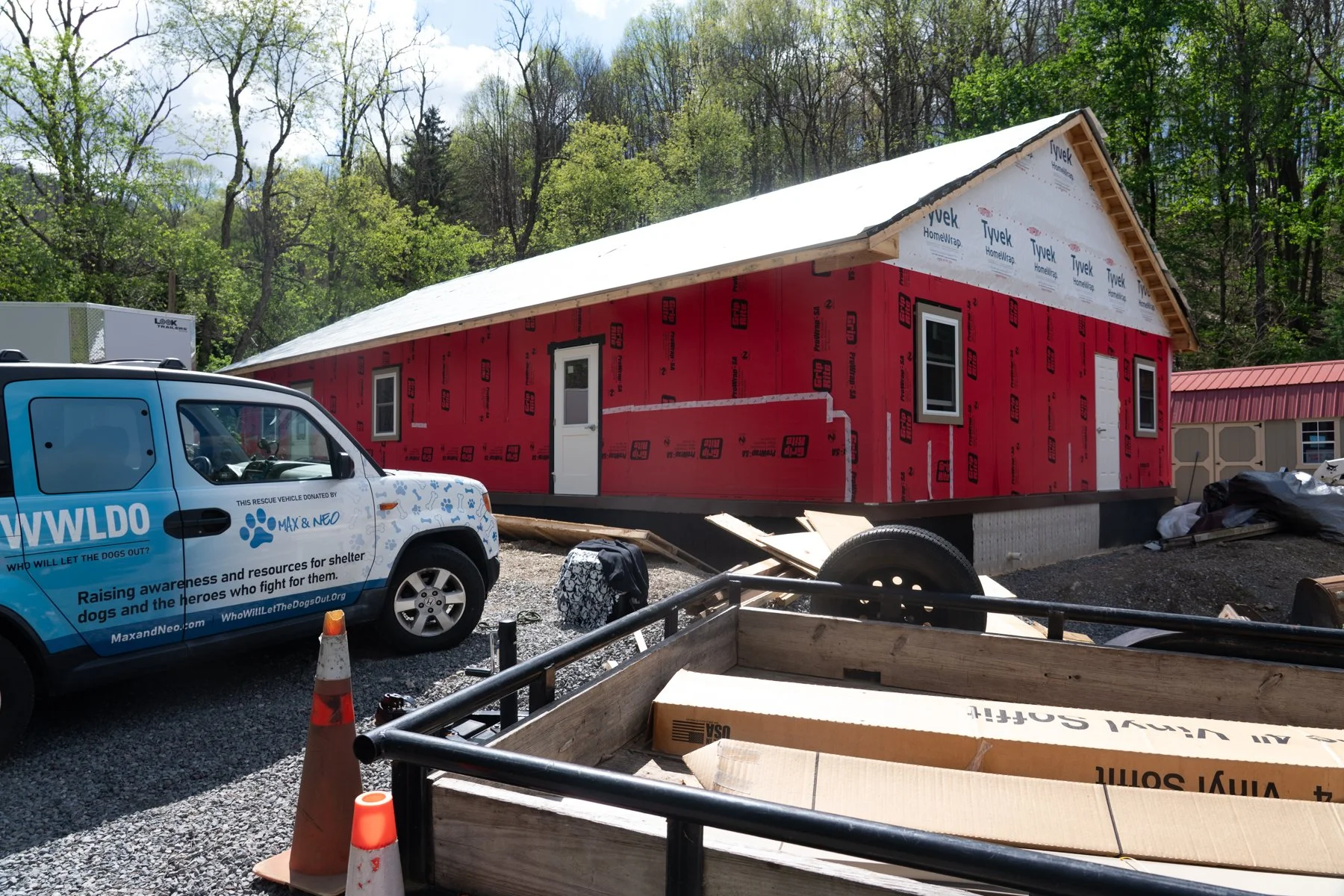
Big Challenges, Bright Futures: The Juggling Act of a Rural WV Shelter
Limited space and remote veterinary access can’t stop the Randolph County Humane Society. Discover how a dedicated community, a hands-on board, and an annual "angel" donor keep this vibrant, 60-year-old rescue thriving against the odds in Elkins, WV.
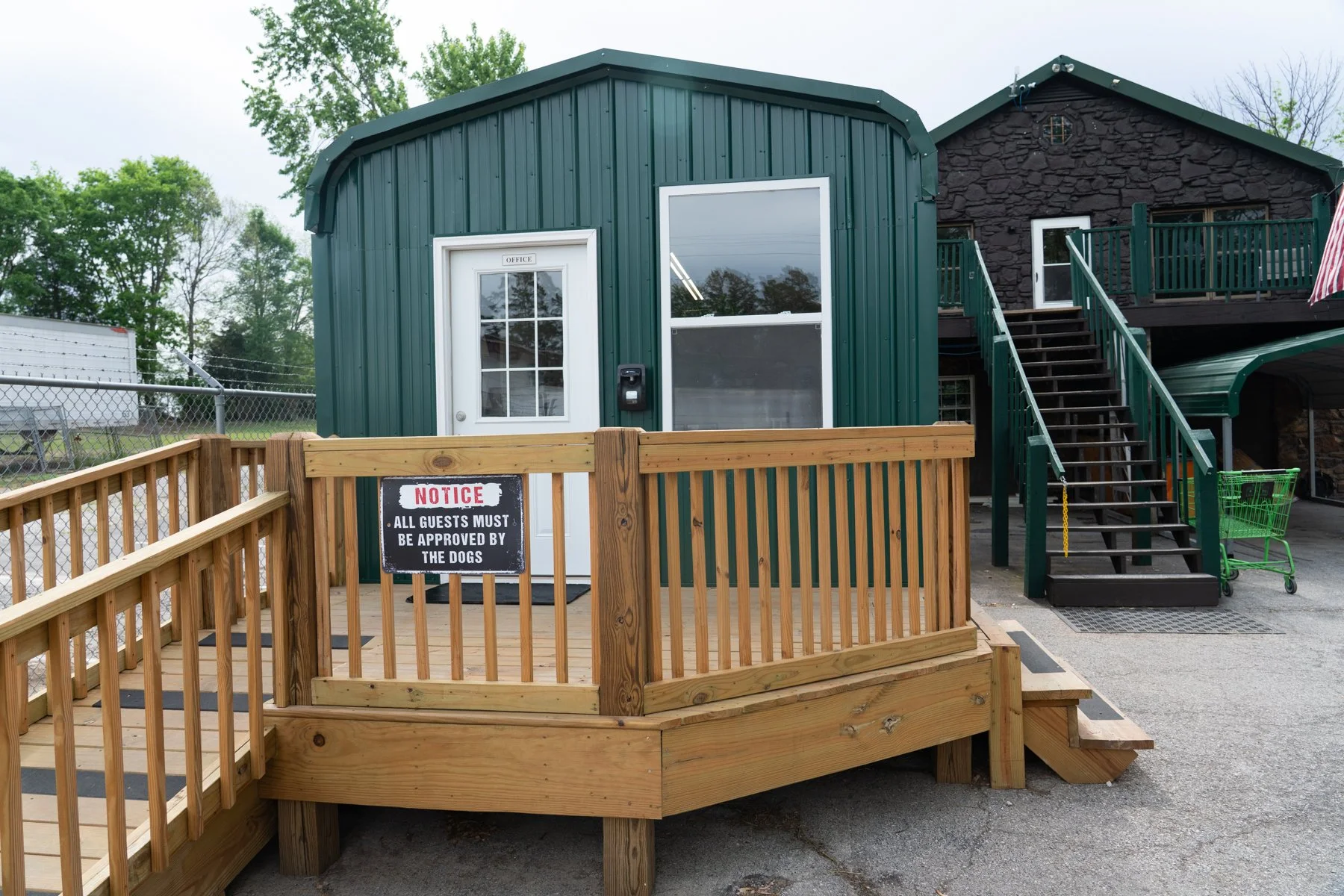
From Fine Dining to Dog Kennels: How a Former Restaurateur is Transforming Logan County Animal Control
From 16-hour restaurant shifts to 7 days a week at the shelter, Aric’s plan to "slow down" in Kentucky took an unexpected turn! Now, as the director of Logan County Animal Care and Control, he is using his "front of house" skills—and some ingenious DIY fixes—to transform the lives of local rescue dogs. Read how this shelter is turning a corner, and find out how you can help support their best days ahead.
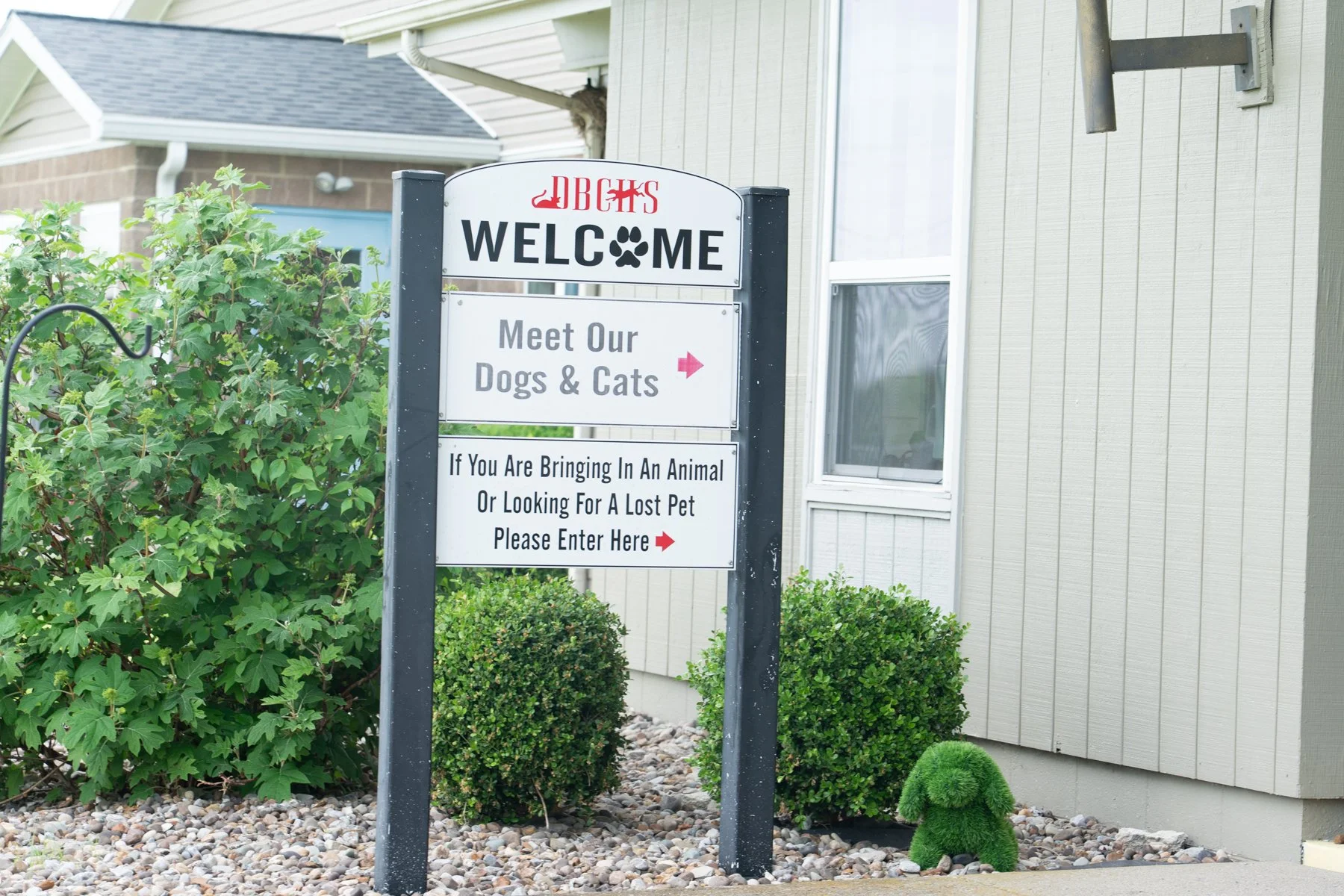
The Public-Private Model That Works: 50 Years of Collaboration in Boyle County
In Danville, Kentucky, a 50-year public-private partnership between municipal animal control and a private humane society has created a thriving, low-stress environment that has eliminated euthanasia for space. By sharing the physical workload, medical expenses, and community outreach, this symbiotic model serves as a blueprint for other animal welfare organizations. Read more about the Danville-Boyle County Humane Society.
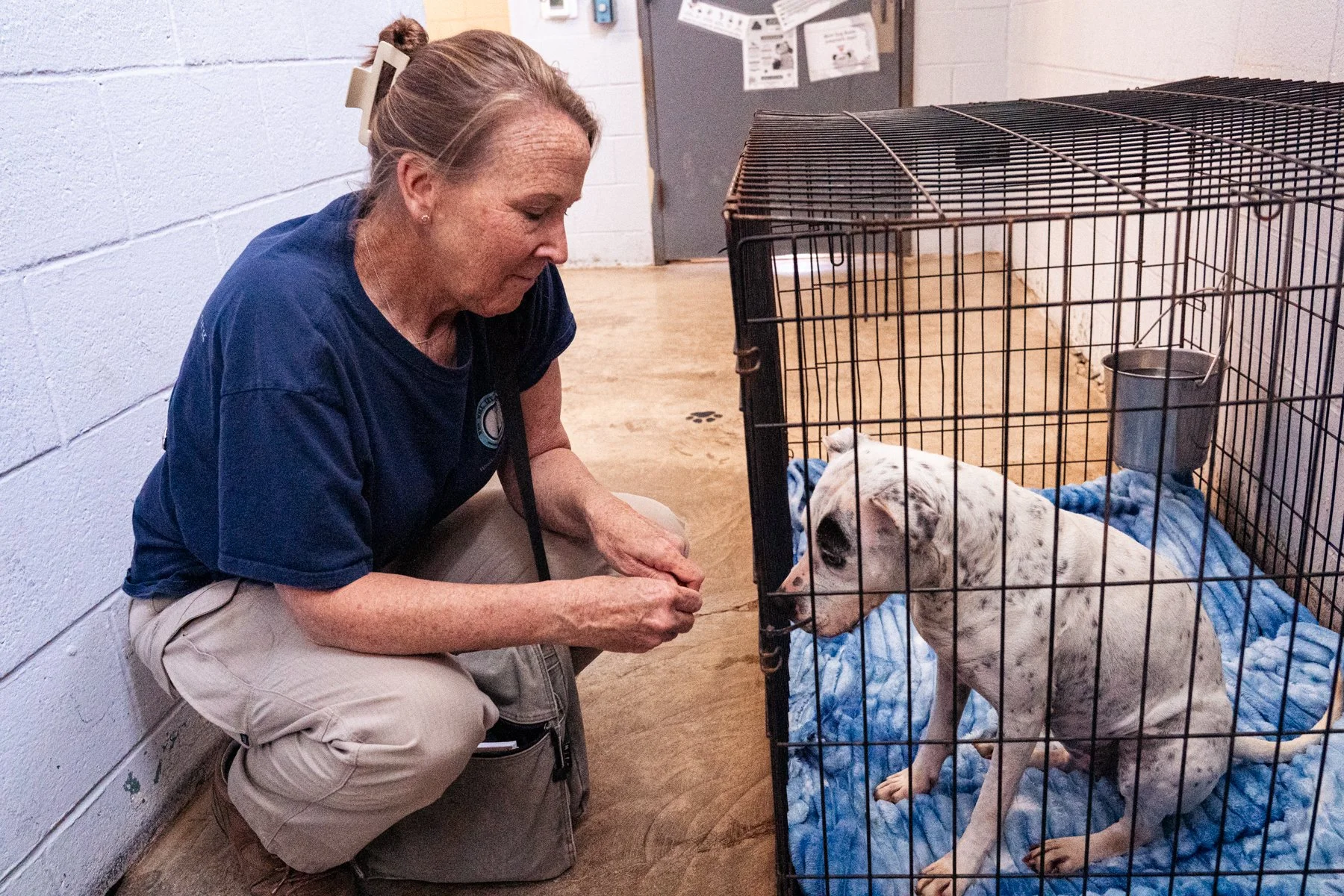
Overcrowded but Undeterred: Our First Ohio Shelter Visit
We made our first Ohio shelter visit to HSOV in Marietta, where a dedicated team of 17 is managing double the animals their facility was built to hold. From the reality of overcrowding to the inspiring concept of "virtual fostering," look inside their daily climb—and discover how you can help.
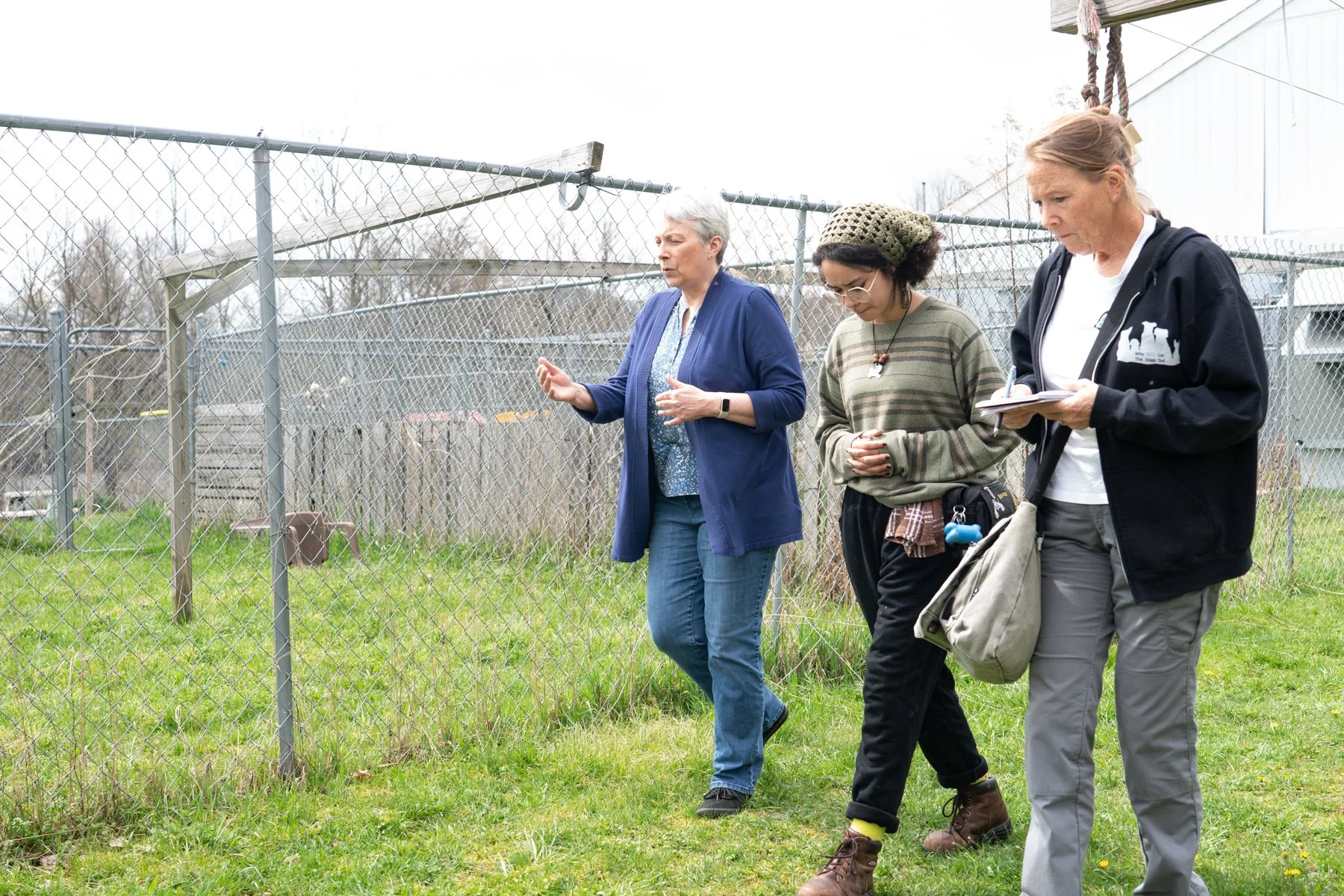
New Leadership, Shorter Stays, and Big Dreams at the Cattaraugus County SPCA
In 2024, the average stay for a dog at the Cattaraugus County SPCA was 92 days. Today, it’s down to just 27! Big changes are happening under new leadership, but with a 40-year-old building beyond repair, the hard work is just beginning. Check out our latest blog post to see how this amazing team is crushing their goals and kicking off a $6 million campaign for a brand-new facility.
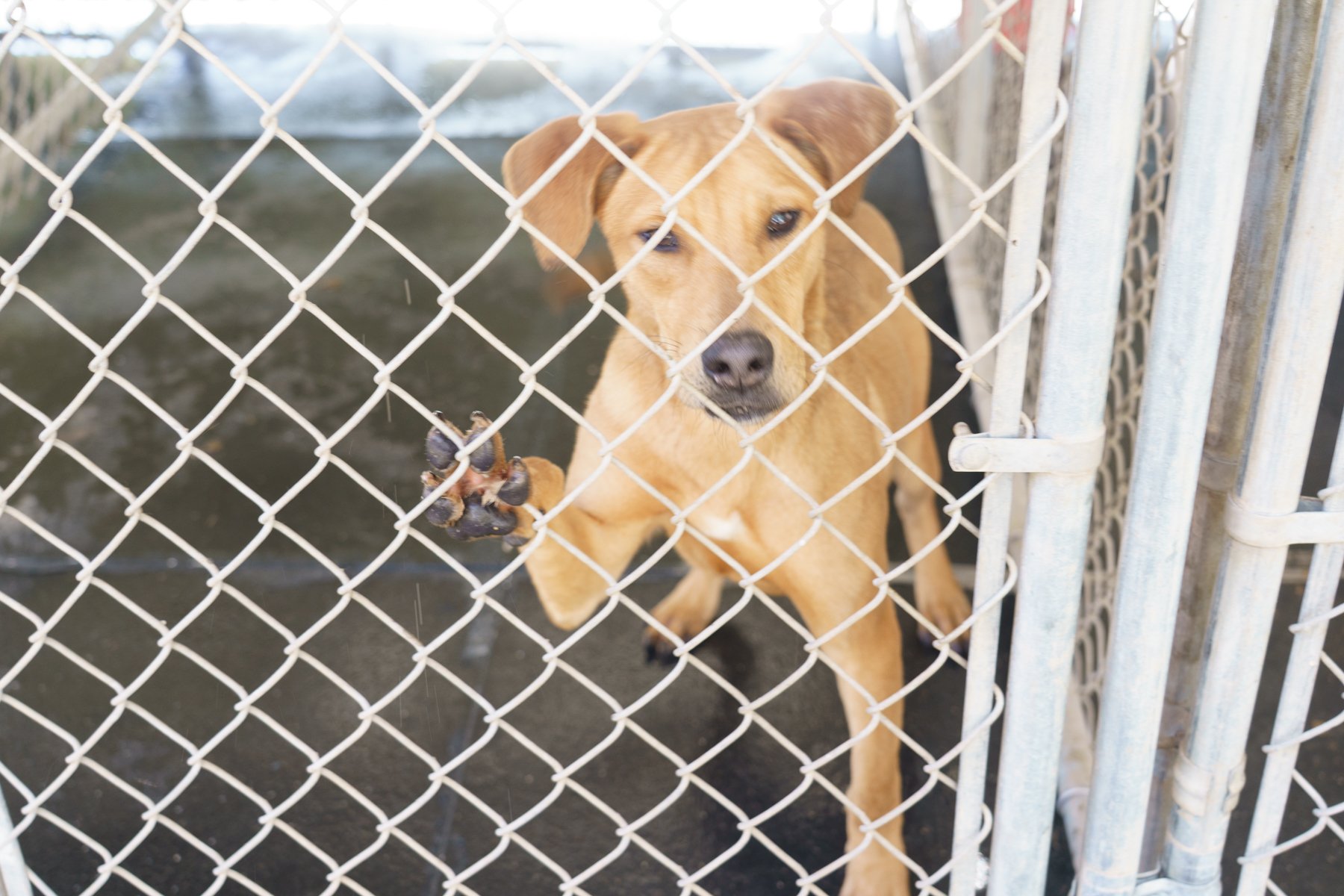
Running on Hope and $300 a Week: Jamie’s Solo Fight for Enigma's Animals
Jamie runs Enigma, Georgia’s animal control on just $300 a week. Her directive is to euthanize dogs after five days—but instead, she quietly transfers them to her rescue, The Moooody Farm, to save their lives. Read how this one woman is defying the odds, and why her community needs to step up.
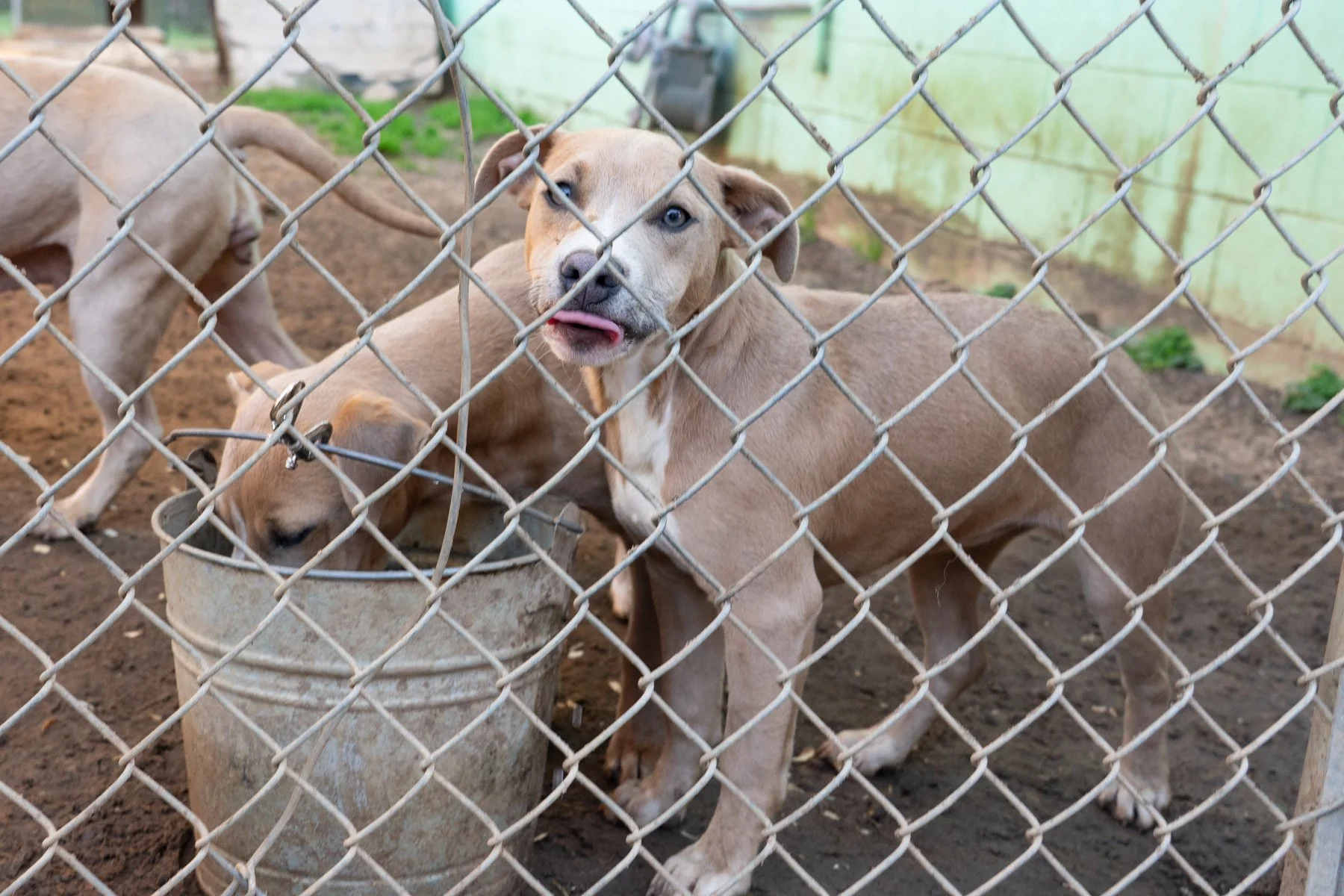
Rethinking the Rural Dog Pound: The New Face of Quitman Animal Shelter
Did you know that animal shelters and rescues have completely different missions? One is a tax-funded safety net for the whole community, while the other is a privately funded nonprofit. Understanding this difference is exactly what helped transform the Quitman Animal Shelter in South Georgia! Read our latest post to see how a new perspective helped this rural shelter save over 500 dogs—and how they are building a model for the future
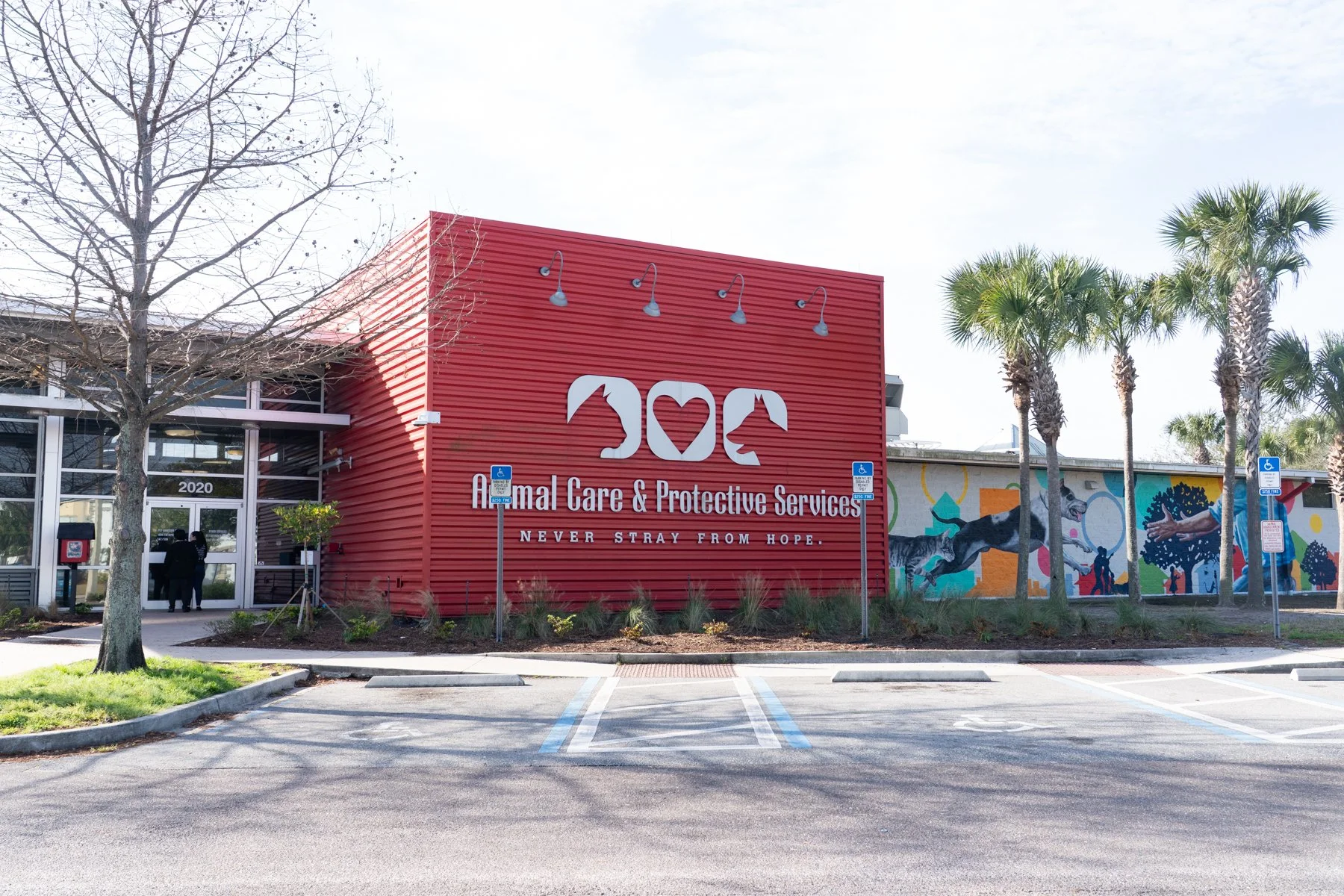
Big City, Bigger Heart: Jacksonville Animal Care & Protective Services
Jacksonville Animal Care & Protective Services leverages robust municipal funding, a massive volunteer network, and innovative, staff-driven programs to successfully manage over 6,000 animals annually. Through initiatives like a 'cat café' adoption space, the 'Dogs Day Out' program, and comprehensive medical/enrichment care, the facility maintains high adoption rates and community engagement. You can find more details at the Jacksonville Animal Care & Protective Services website.
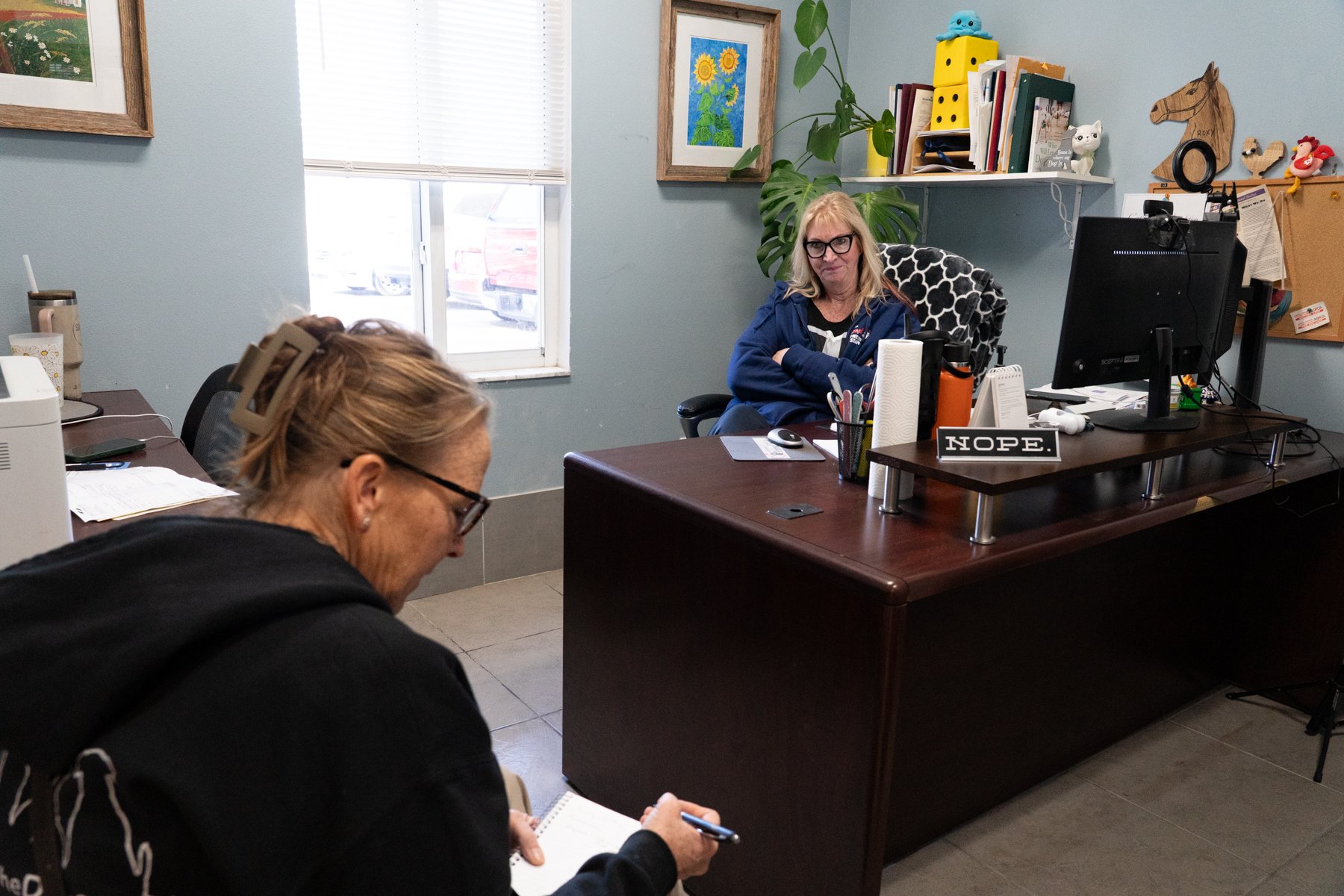
We Help Everyone: Building a True Community Animal Shelter
Edgewater Animal Services in Florida serves as a model open-intake shelter by prioritizing high-quality care, managing animal control for multiple municipalities, and acting as a true resource for its community. Under Director Roxanne's decade-long leadership, the nonprofit utilizes a selective adoption process and a specialized "Silver Paws" program to ensure high-quality, long-term placements. Smart, innovative strategies, transparency with staff and public, and partnering are a few of the keys to their success.